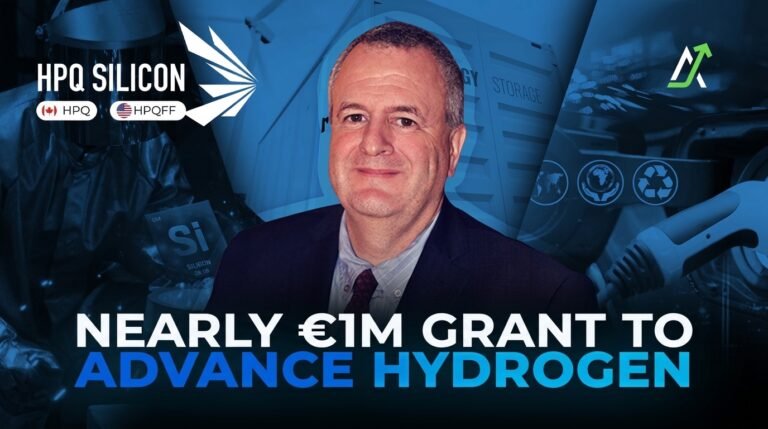
French defence innovation funding is helping advance HPQ Silicon’s hydrogen ambitions. A consortium led by Novacium, in which HPQ holds a 36.8% interest, has secured nearly €1 million to develop METAGENE™, a patented process that generates hydrogen where it is needed using solid metallic fuel and water. The project aims to develop and test a self-contained station designed to produce and dispense hydrogen under pressure for civilian and defence applications. Its aluminum and silicon fuel reacts with water in the presence of an activator, without external electricity for the reaction itself. The 30-month program began on September 1, 2026, and aims to take the technology from laboratory testing toward a working demonstration system. Funding is secured, with development and testing now the focus.
WHAT YOU NEED TO KNOW
- French Defence Funding: Novacium, Axel’One and AD-VENTA secured RAPID funding from France’s Defence Innovation Agency and Directorate General of Armaments. The grant covers the program’s maximum 80% of a €1.2 million project budget.
- Hydrogen Where It Is Needed: METAGENE™ is designed to generate hydrogen at the point of use. The approach involves delivering solid metallic fuel to a location and reacting it with water, potentially reducing reliance on deliveries of hydrogen gas.
- Cost Potential: HPQ reports an estimated raw material cost of approximately €20–30 per kilogram of hydrogen produced on site. Total operating costs and commercial pricing remain to be established.
- Simpler Fuel Logistics: According to the release, the fuel in solid bulk form is inert and not classified as hazardous material. This simplifies fuel transportation and storage, although the hydrogen station itself still involves high-pressure gas systems.
- Multiple Target Applications: Potential uses include inspection and surveillance drones, remote industrial sites, communication stations, mobility and military field operations. The project will develop and test the station for real-world use.
STRATEGIC IMPLICATIONS
The opportunity starts with the hydrogen supply chain. Making hydrogen is only part of supplying it to a customer. Moving, storing and dispensing it can add costs and require specialized equipment, particularly when the customer is far from the production site.
In the interview, CEO Bernard Tourillon explains why Novacium is pursuing a different approach: transport solid fuel and generate hydrogen close to where it will be used. Management sees potential advantages for remote sites and field operations where regular hydrogen deliveries are difficult or expensive. Those advantages will depend on the completed system’s performance and the alternatives available at each location.
The hydrogen-producing reaction generates no greenhouse gases and leaves an inert solid by-product. This describes the reaction itself, rather than the emissions associated with making and transporting the fuel. Tourillon also discusses a potential route for returning the by-product to the aluminum value chain.
Each consortium member has a defined role. Novacium develops the metallic fuel and hydrogen reactor and leads the project. AD-VENTA supplies expertise in hydrogen compression and dispensing. Axel’One contributes testing capabilities, including analysis of the gas and hydrogen purification.
The previously announced cooperation agreement with AD-VENTA targets a station capable of delivering up to 20 kilograms of hydrogen per day. RAPID funding supports the development and validation needed to move that station toward operation.
CEO BERNARD TOURILLON:
Tourillon describes RAPID selection as an important credibility milestone and a potential door opener for Novacium. In his view, the funding gives the team support to move beyond laboratory work and build an integrated working prototype. Management is targeting a working prototype by the fourth quarter of 2027, within the broader 30-month program. Tourillon makes clear that this would still be a prototype, with further development potentially required before a finished commercial product. He also confirms that the funding does not guarantee future military supply contracts.
INVESTOR TAKEAWAY
For HPQ shareholders, METAGENE™ now has a funded development program, named industrial partners and a defined technical goal. The funding agreement was finalized in June 2026, the first payment was made during the summer, and work began in September. HPQ’s connection extends beyond its 36.8% ownership interest in Novacium. The release also states that HPQ holds exclusive North American commercialization rights to the technologies described, linking the company to their potential future commercial development.
The economic case centres on whether producing hydrogen on site can reduce the costs and complications of transporting and storing the gas. The estimated €20–30 per kilogram raw material cost is one part of that calculation. Building, operating and maintaining the station will also matter in determining its competitiveness.
The next milestones are tangible: build the station, test its performance and demonstrate how it works outside the laboratory. Successful results could support future commercial discussions across civilian and defence markets. The grant provides funding to pursue those milestones, while customer orders and commercial returns remain dependent on further progress.
Last modified: October 27, 2026