Posted by AGORACOM-JC
at 5:04 PM on Wednesday, November 18th, 2020
ThreeD Capital (IDK:CSE / IDKFF:OTCQB) prides itself on discovering great companies before everyone else … and it casts a wide net to find the best of the best ranging from precious metals companies to completely disruptive companies. Moreover, IDK isn’t afraid to invest and be patient in both public and private companies.
As such, it’s like and ETF for ground floor investments that small cap investors would either be unable to find (private) or unable to participate in (early round accredited investors)
It is able to do all this and do it well under the leadership of one of the greatest investors in Canadian history – Sheldon Inwentash, the Founder, Chairman and CEO of IDK. Inwentash’s track record of success speaks for itself, including successful exits in the hundreds of millions and even billions in previous years. His last company commanded a market cap north of $1 Billion and now he’s looking to create another success out of IDK.
Will he do it? He’s off to a good start so far by quietly making investments over the past couple of years that are now starting to pay off. In this interview Inwentash discusses:
His investment philosophy
A couple of his recent investments in Peak Fintech (PKK:CSE) and Loop Insights (MTRX:TSXV)
Why he’s investing heavily in gold juniors
Why he’s investing heavily in blockchain companies + their tokens
Best of all, after one hell of a ride for the financial markets in 2020, Inwentash talks about why 2021 “is the year to be all in”
Watch this great interview … because when a legendary financier speaks, every small cap investor should be listening.
Posted by AGORACOM
at 9:05 AM on Thursday, November 12th, 2020
SPONSOR: St-Georges is developing new technologies to solve some of the most common environmental problems in the mining industry. St. George controls all of the active mineral tenures in Iceland. It also explores for nickel on the Julie Nickel Project & for industrial minerals on Quebec’s North Shore and for lithium and rare metals in Northern Quebec and in the Abitibi region
St-Georges Eco-Mining holds all exploration licenses in nation
CEO says the ‘green gold’ should command a premium price
Exploration in Tröllaskagi (Troll’s peninsula) North Iceland. Source: Iceland Resources
Canadian explorer St-Georges Eco-Mining Corp. wants to revive Iceland’s long-dormant gold mining industry by drawing on the Nordic nation’s abundance of renewable energy.
The Montreal-based miner finished drilling a 124-meter-deep (407-foot-deep) hole in Thormodsdalur, outside Reykjavik, in September and may publish the results this month. Previous drilling cores indicated gold quantities of as much as 415 grams per ton there, though more research is needed to determine the size of the deposit, Chief Executive Officer Vilhjalmur Thor Vilhjalmsson said in an interview.
If the veins are big enough, St-Georges plans to mine with robots, while the equipment and processing primarily will use electricity made from geothermal and hydro power by Landsvirkjun, the state-owned power company. The moves come after gold hit a record in August and is up more than 20% this year.
“Our emphasis will be on making the most eco-friendly and socially responsible gold in the world,” Vilhjalmsson said. “We foresee that our gold would be sold with a premium.”
In an environment as pristine as Iceland’s, the potential for gold mines to pop up may trigger alarms among the island’s 364,000 residents, given the industry’s reputation for polluting and scarring the landscape. But Vilhjalmsson says his operation will be different.
“Our ideology is about making minimal disturbances to the ground,” he said. “In Thormodsdalur, you will hardly see it when mining activity starts.”
St-Georges will use all the material extracted from the ground during the mining process, Vilhjalmsson said. After the minerals are separated, the remainder would be used in building material and concrete.
Experimental Mining
The Canadian miner holds all exploration licenses for gold in Iceland after acquiring local corporation Melmi Ehf last month. Melmi owned the majority interest in the Thor Gold Project in Thormodsdalur, about 20 kilometers (12 miles) east of the capital.
Vilhjalmsson, 45, previously worked on mining projects in Greenland and Africa. He is optimistic that experimental mining in Iceland will start this decade, and he expects to spend almost 500 million Icelandic kronur ($3.6 million) on research during the next few years.
“We anticipate that by using the green energy Iceland offers, our production will be more cost-efficient than if we’d use fossil fuels,” he said. “We are in the process of doing a proof of concept for our model, and we hope it will be applicable to mining sites around the world.”
The company holds exploration permits for gold, silver and copper in three locations in Iceland and has applied for 11 more licenses. The Thormodsdalur endeavor will be funded through debt and private placement on the Canadian Securities Exchange.
The explorer’s shares have declined 25% so far this year, for a market value of C$10.4 million ($8 million).
‘Green Gold’
Grant Sporre, a senior analyst for metals and mining at Bloomberg Intelligence, said he is skeptical about the market opportunity since there’s no universal standard for what qualifies as “green gold.”
“It will be a while before any investors see a return on the Icelandic gold explorations component of their business,” he said.
Gold digging in Iceland started at the beginning of the 20th century. The Thormodsdalur site was discovered in 1905, and four years later the poet and entrepreneur Einar Benediktsson formed a mining company with investors from Norway, Britain and Germany.
The property produced a gold concentrate from 1911 to 1925 that was shipped to Germany for processing, but then the market faded away.
Interested renewed in 1989 after two Icelandic geologists, including Hjalti Franzson, studied the presence of gold in geothermal systems in New Zealand and Japan. That triggered local research funded by the Icelandic government. “There is enough gold in the ground here,” said Thorvaldur Thordarson, a professor in volcanology and petrology at the University of Iceland. “In Iceland, it’s perhaps not as concentrated in one place.
Posted by AGORACOM
at 10:18 AM on Friday, November 6th, 2020
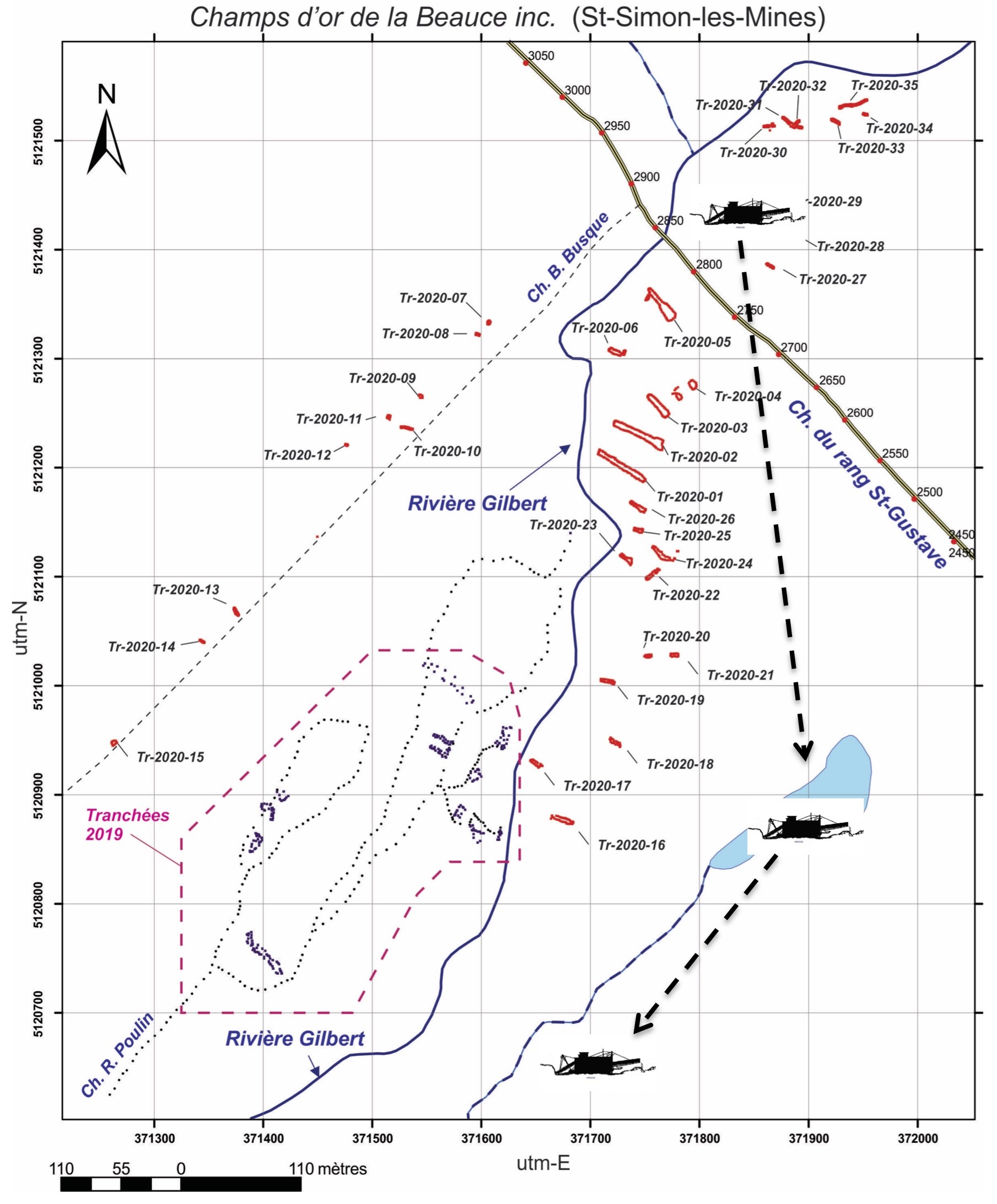
Montreal, Quebec–(Newsfile Corp. – November 6, 2020) – Beauce Gold Fields (TSXV: BGF) (Champs D’Or en Beauce)(“BGF”), is pleased to announce that the Company has completed nine more trenches east of St-Gustave road around the site that was once the starting point of the 1960s gold dredging operation on the Company’s Beauce gold property located in the municipality of Saint-Simon-les-Mines in the Beauce region of Quebec.
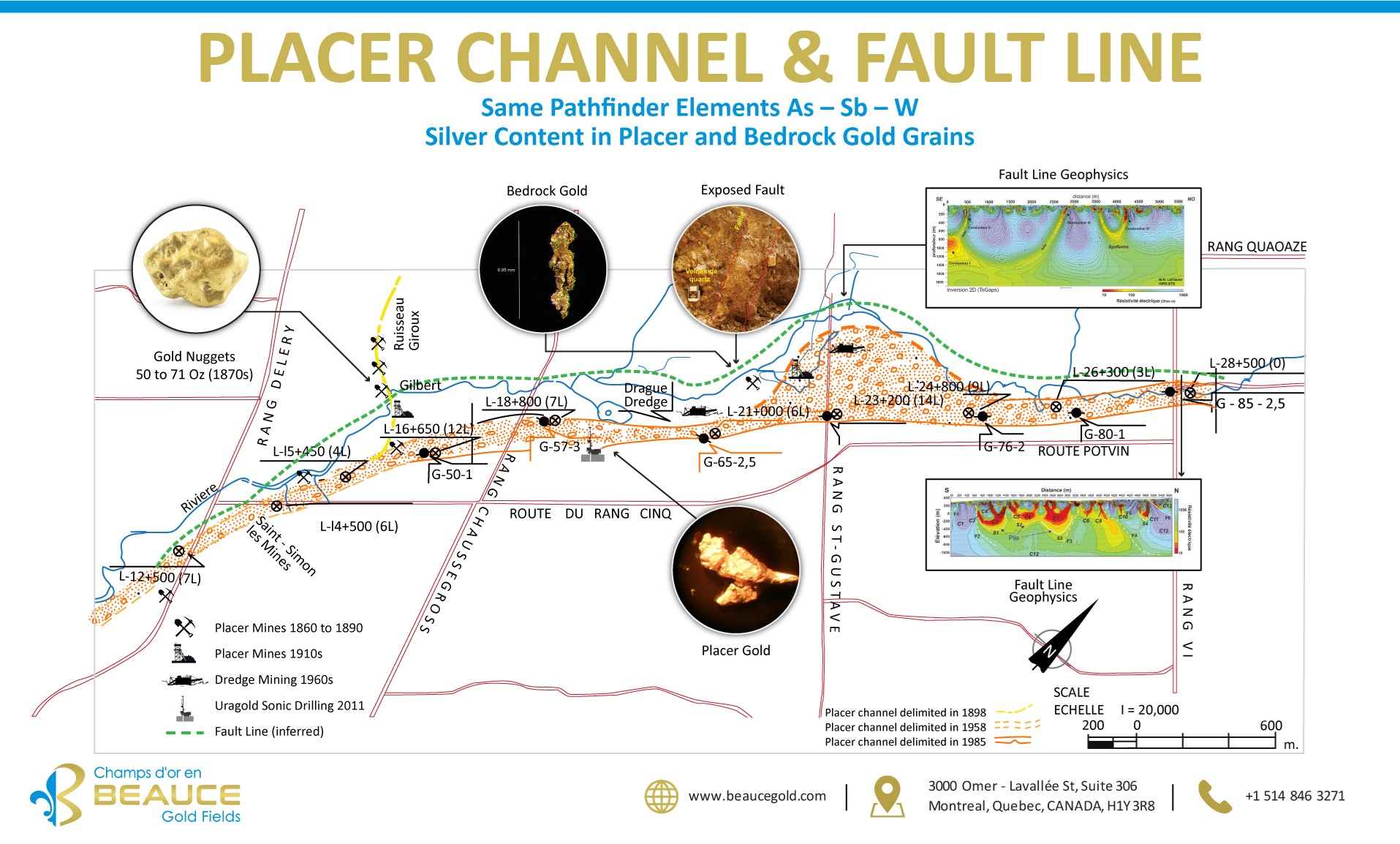
Patrick Levasseur, President and CEO of Beauce Gold Fields said, “The St-Gustave zone was the site of the largest placer gold dredging operation in eastern North America.” Mr. Levasseur further states, “We are the first exploration company to sample this historic gold anomaly.” Figure 1. Location of St-Gustave Trenches and path of Yuba Dredge
Figure 2. Aerial View of Lima Electric Dragline and Yuba Dredge 1962
Active from 1958 to 1964, the Beauce Placer Company was the only major placer gold mining operation in eastern North America. To mine the deposit, the Company purchased a floating Yuba dredging plant. The four storey high, 800-ton dredge was dismantled in Idaho and transported in 25 train cars to the Beauce region. It was then assembled and floated in a dredge pit south of the Gilbert river just East of Rang St-Gustave road, around the site where BGF is currently trenching. A Lima Electric Dragline was used to strip the glacial till overburden. The Yuba dredged southward the placer gold channel from the pit to the middle of the Rang Chaussegros property.
Reference to the historical placer gold deposit does not comply with the CIM reporting standards National Instrument 43-101 for mineral resources or reserves and should not be relied upon. While the Company considers historical estimates and the calculated Gold Exploration Target* for the entire historical placer channel to be relevant to investors as it may indicate the presence of mineralization, the Company is not treating these historical estimates as a current mineral resource.
SHARES FOR DEBTS
In accordance with the agreement between BGF and Agora Internet Relations Corp., entered into on August 1, 2020 for the term ending July 31, 2021, BGF board has approved the issuance of 86,923 common shares at a deemed price of $0.13 per share to pay $11,300 for services rendered during the period ending October 31, 2020. Each share issued pursuant to the debt settlement will have a mandatory four (4) month and one (1) day holding period from the date of closing.
About Beauce Gold Fields
Beauce Gold Fields is a gold exploration company focused on placer to hard rock exploration in the Beauce region of Southern Quebec. The Company’s flagship property is the St-Simon-les-Mines Gold project site of Canada’s first gold rush that pre-dates the Yukon Klondike. The Beauce region hosted some of the largest historical placer gold mines in Eastern North America that were active from 1860s to the 1960s. It produced the largest gold nuggets in Canadian mining history (50oz to 71oz).
Comprising 152 contiguous claims and seven real estate lots, the project area contains a six kilometer long placer channel consisting of an unconsolidated gold-bearing auriferous units of a lower saprolite and an upper brown diamictite. The Company has calculated a Gold Exploration Target for the entire historical placer channel ranges between 61,000 ounces (2,200,000 m3 @ 0.87g Au/m3) and 366,000 ounces* (2,200,000 m3 @ 5.22 g Au/m3).
*Source: Beauce July 4th 2018[43-101 Report
The Company has identified a major Fault Line that coincides with an interpreted fault structure across the property. Evidence suggests the erosion of the Fault Line as a probable source of the historical placer gold channel.
Posted by AGORACOM
at 10:10 AM on Monday, October 26th, 2020
Completed the acquisition of Melmi EHF, the Icelandic corporation that owned the majority interest in the Thor Gold Project
Acquisition allows St-Georges to control its destiny and plan its exploration campaigns with no interference
Reykjavik – TheNewswire – October 26, 2020 – St-Georges Eco-Mining Corp. (CSE:SX) (CNSX:SX.CN)(OTC:SXOOF) (FSE:85G1) is pleased to report that it has completed the acquisition of Melmi EHF, the Icelandic corporation that owned the majority interest in the Thor Gold Project and the remainder or the Icelandic mineral licenses not already controlled by St-Georges.
This transformative acquisition gives total control over the mineral licenses of the Republic of Iceland to St-Georges, making it the only junior exploration company to own all the mineral rights of a western country. This acquisition allows St-Georges to control its destiny and plan its exploration campaigns with no interference. It also gives the Company’s geological team access to extensive libraries of geological data, a large number of historical mineral samples and a well-maintained and secured national core shack that will be useable for future development. Furthermore, all the diamond drill cores from the Thor Gold project are now in the Company’s ownership and possession. The Company expects to be able to resample these cores in the process of elaborating its maiden NI 43-101 Gold-Silver and Copper resource estimate on the Thor Gold Project.
The Melmi EHF Acquisition
As previously disclosed in a press release on July 2, the Corporation will pay up to CA$775,000 in consideration of all the Melmi EHF shares as follows:
(i)pay $65,000 upon the execution of the definitive share purchase agreement (the “Definitive Agreement”)
(ii)pay an additional $60,000 on the earlier of: (a) 90 days of execution of the Definitive Agreement; and (b) the start of drilling on the Thor Gold Project;
(iii)issue $400,000 of non-transferable debentures of the Corporation bearing a 6% annual interest, maturing 3 years from issuance (the “Maturity Date”), of $100,000 will be convertible into common shares in the capital of SX (the “SX Shares”) at a deemed price of $0.10 per SX Shares, $150,000 at a deemed price of $0.15 per SX Shares, and $150,000 at a deemed price of $0.20 per SX Shares; and
(iv) as additional consideration, subject to and upon all the Licences Application having been granted, issue $250,000 non-transferable debentures of SX bearing a 6% annual interest, maturing 3 years from issuance, and convertible into SX Shares at a deemed price of $0.20 per SX Shares.
Iceland Operational Update
In September, the Corporation drilled a reversed circulation (RC) drill hole for a total length of 124 meters.
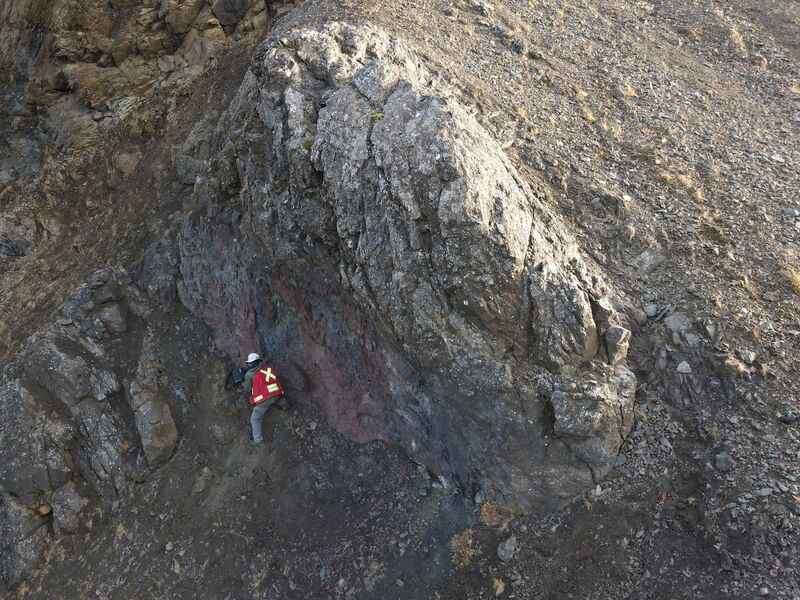
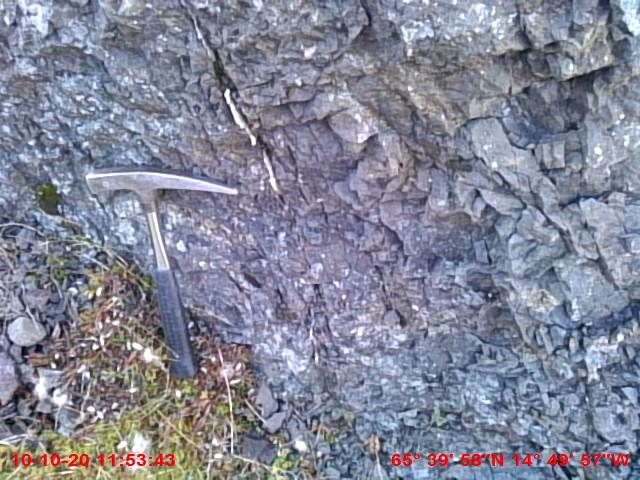
In October, reconnaissance and follow-up fieldwork was conducted in Vopnafjordur (Vopna) and Trollaskagi (Trolla) projects. Mineralization bearing outcrops were identified and sampled and brought to St-Georges’ secure facilities in Reykjavik for petrographic analysis. Some of the
se samples were prepared to be sent for assays to ALS Laboratories in Dublin, Ireland. Management expects that the results of these essays will become available later this year, and the Company expects to report on it as soon as the information becomes available.
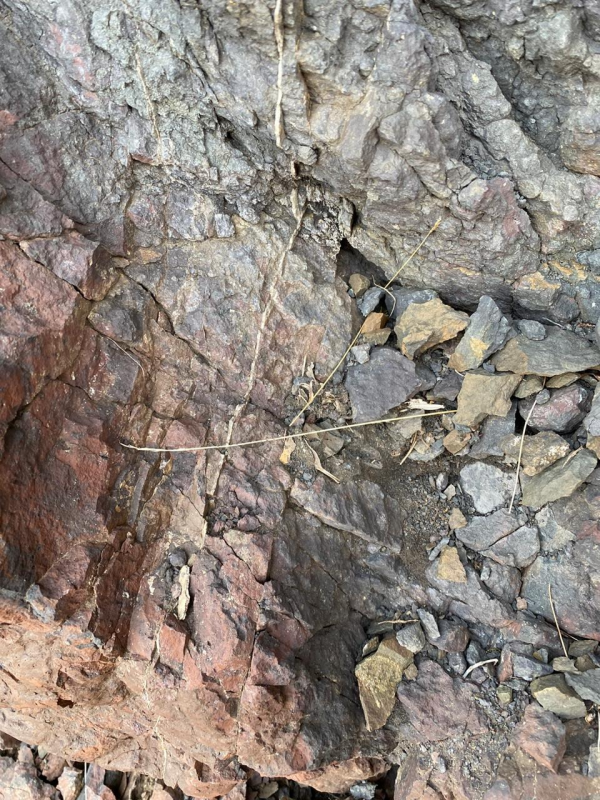
Picture 1, Outcrop on Trolla Gold Project
Picture 2. Outcrop on Trolla Gold Project
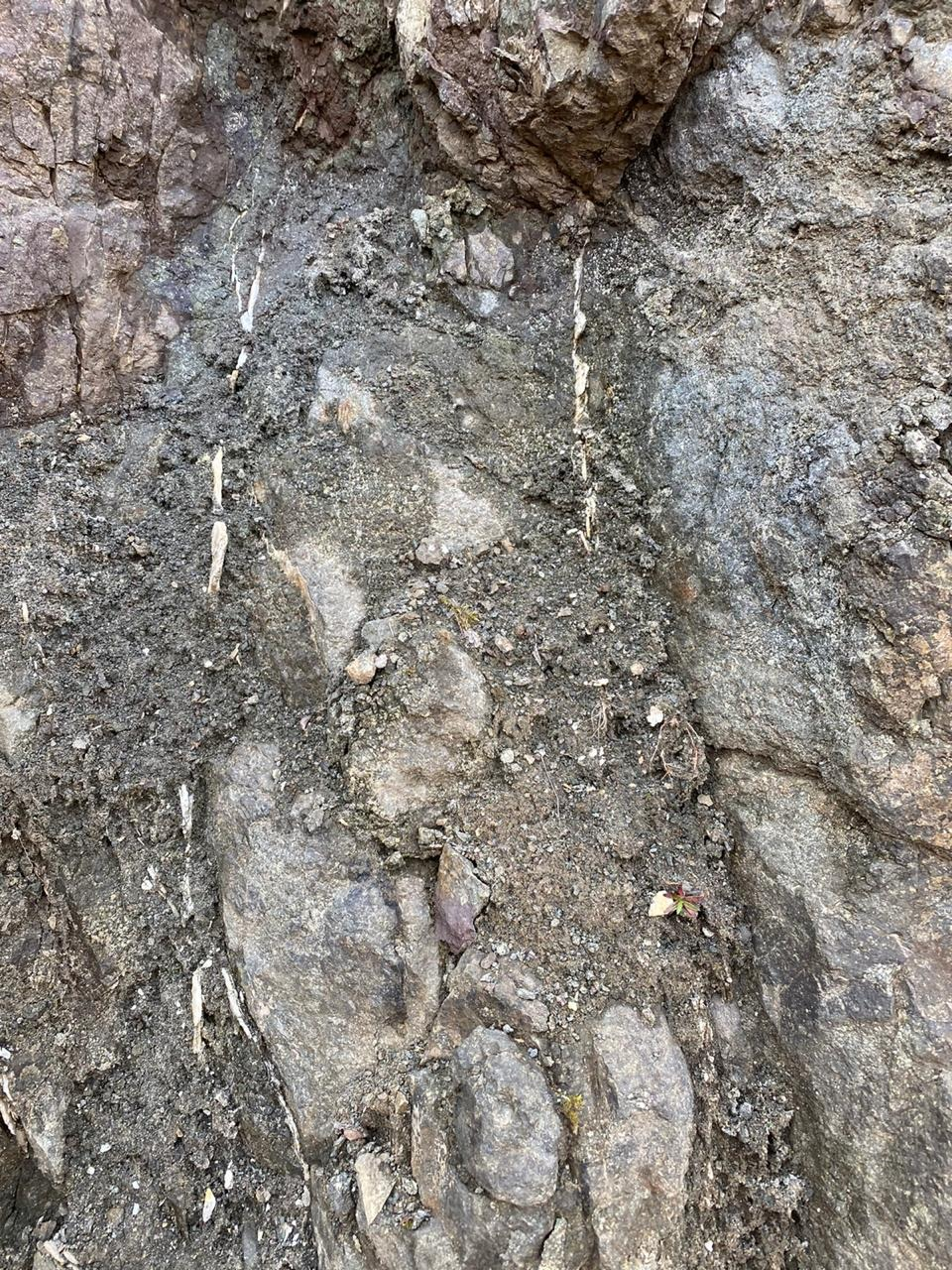
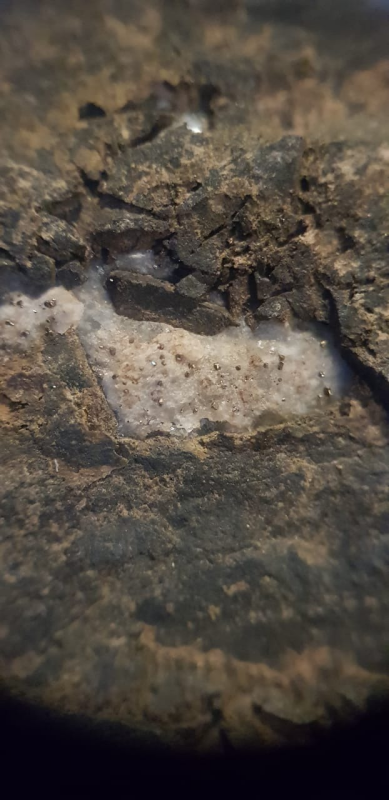
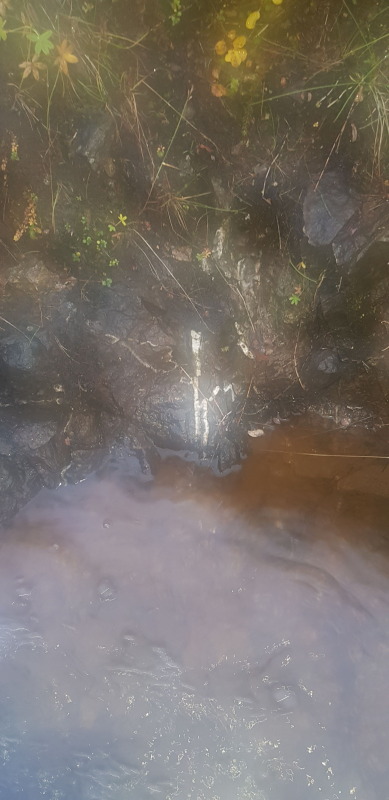
Picture 3. Close up of a Quartz Vein from an Outcrop on Trolla
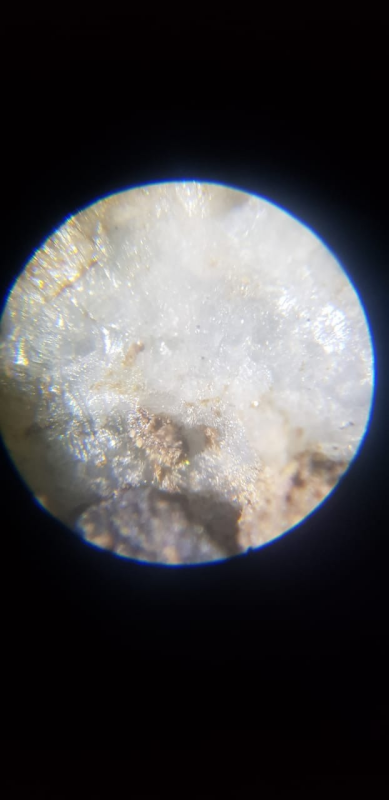
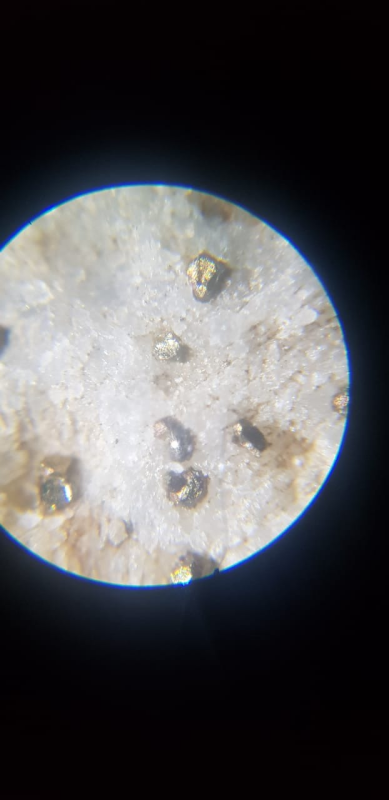
Picture 4 & 5: Quartz Vein from Trolla Outcrop (Picture 3) Under Magnifying glass (10X)
Picture 5. Magnified Quartz vein from Trolla Outcrop gold is associated with pyrite in Iceland
Picture 6. Outcrop at Trolla Gold Project
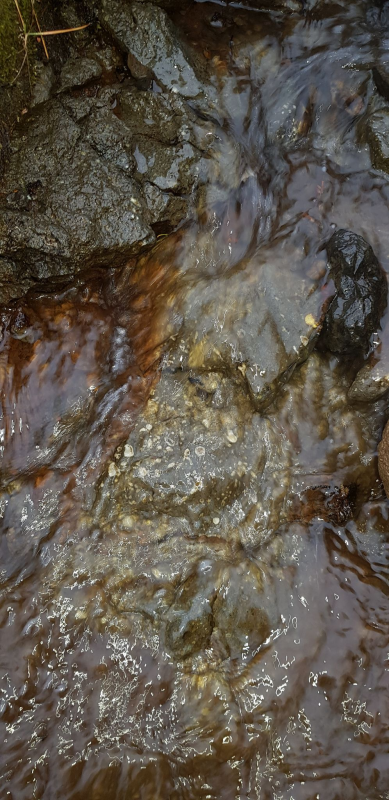
Picture 7. Water Stream over Outcrop at Vopna Gold.
About Iceland
Iceland climate, location, access and infrastructure (Histed,R,2010)
Located in the North Atlantic, approximately midway between Greenland and Great Britain, the warm North Atlantic Current ensures that the climate in Iceland, described as subpolar, oceanic, has generally higher temperatures than locations of similar latitude throughout the world. Regions or places that have similar climate are Tierra del Fuego, the Aleutian Islands and Alaskan Peninsula. Although Iceland lies close to the Arctic, its coasts remain ice-free year-round.
As can be expected, the southern coast is generally warmer, wetter and windier than the northern coast. The lower-lying, inland areas in the north are the most arid, although snowfall in the north during the winter months is greater than in the south.
Historically, recorded temperature extremes for the country are 30.5 C and -38.0C. The high in Reykjavik was 26.2C in 2008, and the low there was -24.5C in 1918. Although the Icelandic climate can be harsh, the GI-Melmi JV completed a drilling program at Thormodsdalur (Thor Gold Project) from November 2005 through May 2006 without undue difficulty. In the north, the increased snowfall would make an effort such as this more difficult. Reconnaissance is to be limited to the summer months.
Iceland’s infrastructure is well developed and modern. Road construction was begun around the start of the 20th century and peaked during the 1980’s. The roads are well constructed and maintained asphalt, although some gravel roads are still found. The current road system connects most of the larger towns and villages and is mostly confined to the coastal areas. Currently, there are a total of 12,691 kilometers of roads in Iceland that includes 3,262 kilometers of paved surface. Inland road access diminishes to dirt roads to no roads making access to some areas difficult, requiring foot travel or helicopter support. There are no railroads in Iceland.
Geological Setting
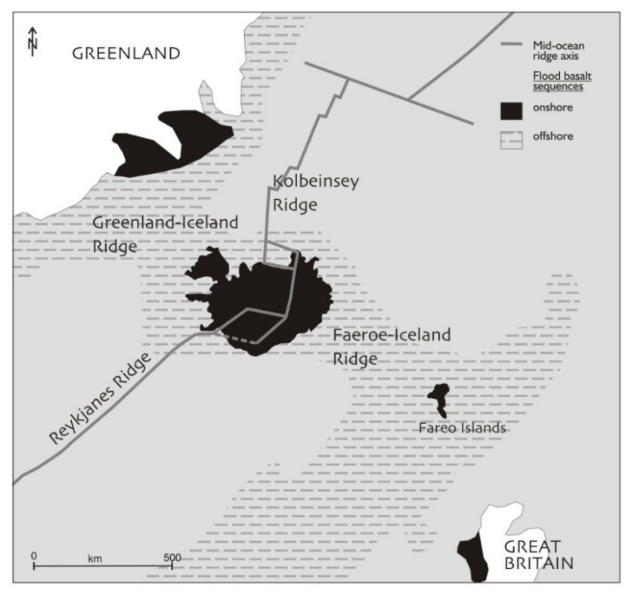
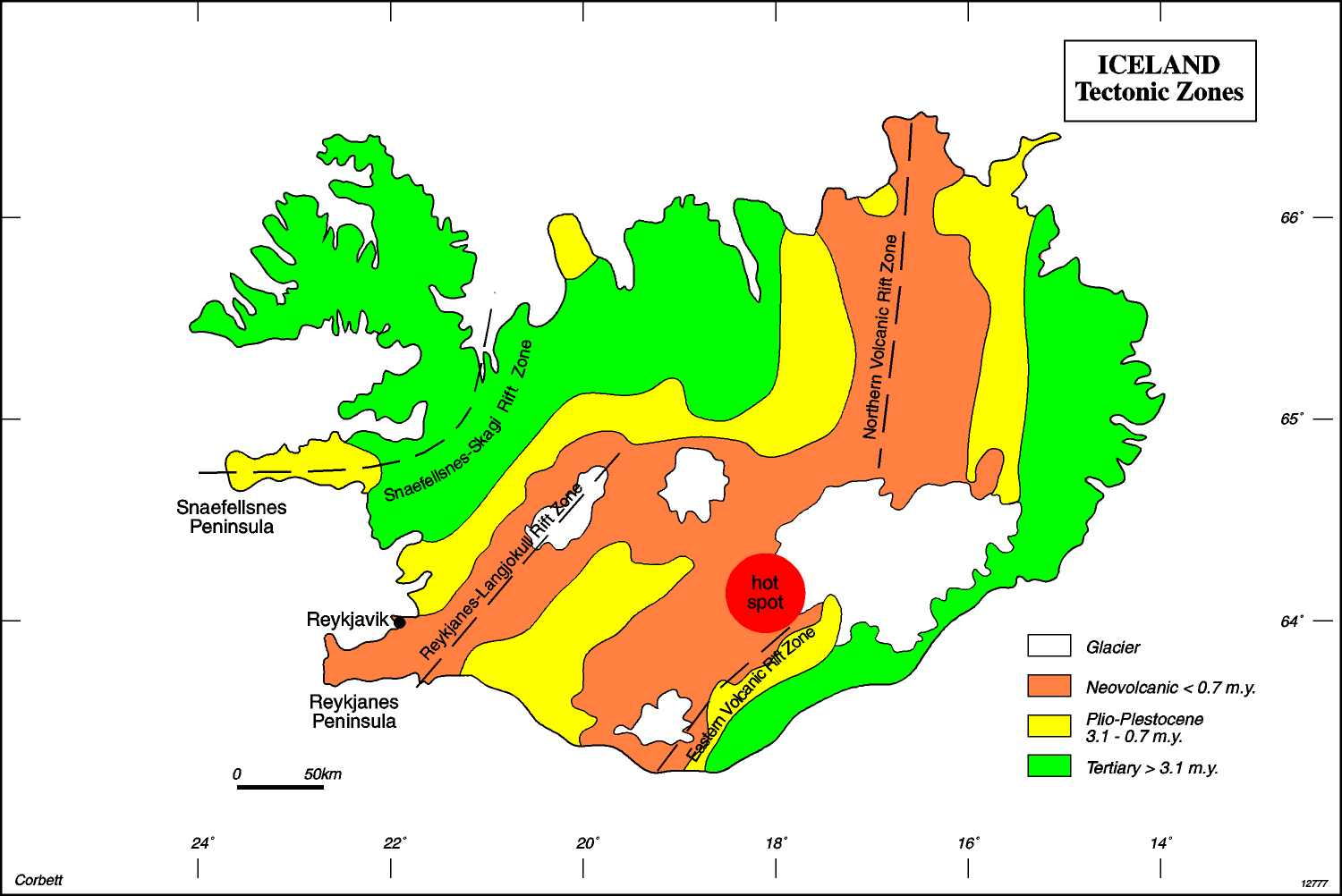
Iceland occurs at the junction of two large physical structures; the Mid Atlantic Ridge and the Greenland-Iceland-Faeroes Ridge (Figure 9). At this intersection, the mantle is hotter and less dense than the surrounding mantle. The mantle material rises as a result of heat and chemical-related density differences resulting in a dome in the crust above. This hotspot is causing a higher rate of extrusive volcanism at this point on the Mid Atlantic Ridge, which has, in turn, caused the region to be built up to a level more than 3 kilometers above the surrounding seafloor and covers an area of more than 350,000 km2. This is known as the Iceland Basalt Plateau. The portion of the plateau above sea level is now the country of Iceland (Martin, et al., 2007).
Tectonic Setting
In the Mid Atlantic Rift environment, the central portions of Iceland have moved outwards, away from the zones of active rifting and crustal development such that oldest rocks occur towards the margins and youngest in the center. Due to the migration of the hotspot to the south-east with time, an asymmetry has been imparted to the shape of the island. Currently, the hotspot lies under the south-eastern quadrant of the island (Corbett, 2004). This area now denotes the zone of active rifting and volcanism. Figure 10 shows the geology of Iceland defined by tectonic zones that coincide with the ages of the rocks.
Principal Tectonic Zones
The significant rift systems that have focused volcanism through time are noted below.
– The Snaefellsnes-Skagi Rift Zone in western Iceland was active in the 16-6.5 m.y. period. – The Reykjanes-Langjokull Rift Zone in central western Iceland resulted in the development of the Reykjanes Peninsula from about 6 my. – The North Volcanic Rift Zone became active from 3-4 my and extends to the present time. – An Eastern Volcanic Rift Zone is developing at this time.
Significant quantities of felsic intrusive and extrusive rocks occur in the dominantly basaltic sequence, and the felsic rocks locally display gold-anomalous hydrothermal alteration (Corbett, 2004).
Structurally, NE fractures reflect the spreading centre direction and are, therefore, some of the most numerous and laterally extensive fracture patterns, commonly evident as normal faults that may be exploited by dykes. NS and ENE fractures are developed as conjugate fractures during the NW-SE extension.
Posted by AGORACOM
at 3:17 PM on Wednesday, September 30th, 2020
Montreal, Quebec–(Newsfile Corp. – September 30, 2020) – Beauce Gold Fields (Champs D’Or en Beauce) (TSXV: BGF),(“BGF”), is pleased to announce that the Company has paid in full the principal and interest on a mortgage for 176 acres of real estate and bought back a 1.5% Net Smelter Royalty (NSR) held over the historical placer gold deposit in the municipality of Saint-Simon-les-Mines in the Beauce region of Quebec.
Patrick Levasseur, President and CEO of Beauce Gold Fields said, “The reimbursement of the mortgage represents a significant savings to shareholders. Moreover, with respect to the NSR, our predecessor company (Uragold) was granted certificates of authorization in 2013 for trial mining a section of the placer gold channel. In the event of a potential mining operation, the NSR we purchased will represent another significant saving as well.”
Reference to the historical placer gold deposit does not comply with the CIM reporting standards National Instrument 43-101 for mineral resources or reserves and should not be relied upon. While the Company considers historical estimates and the calculated Gold Exploration Target* for the entire historical placer channel to be relevant to investors as it may indicate the presence of mineralization, the Company is not treating these historical estimates as a current mineral resource.
During December 2018, the Company signed a real estate mortgage of $180,000, secured by the land with a net carrying amount of $204,346, bearing interest at compound rate of 18 % annually. On September 4, 2020, the Company reimbursed principal and interest.
The Company also had assumed the payment to a third party of a royalty of 1.5% of which, at the option of the company, 1% was redeemable for an amount of $1,000,000. The 1.5% royalty will be redeemed by the Company from the holder thereof by means of the issuance of 700,000 common shares of its capital stock representing the redemption price of $108,500. This transaction is subject to the TSX Venture Exchange approval
Modification To Stock Option Plan
Beauce Gold Fields Inc. announces that its Board of Directors has approved the modification of the total number of shares that may be issued pursuant to its stock option plan, increasing it by 1,480,000 shares from 1,900,000 shares to 3,380,000 shares and, as a result, the consolidation of its current stock options plan into the new 2020 stock options plan. The maximum number of common of shares that may be issued under the plan shall be equivalent to less than 10% of the issued and outstanding common shares of the Corporation. The modification is subject to regulatory approval and TSX Venture Exchange approval.
About Beauce Gold Fields
Beauce Gold Fields is a gold exploration company focused on placer to hard rock exploration in the Beauce region of Southern Quebec. The Company’s flagship property is the St-Simon-les-Mines Gold project site of Canada’s first gold rush that pre-dates the Yukon Klondike. The Beauce region hosted some of the largest historical placer gold mines in Eastern North America that were active from 1860s to the 1960s. It produced the largest gold nuggets in Canadian mining history (50oz to 71oz).
Comprising 152 contiguous claims and 7 real estate lots, the project area contains a six kilometer long placer channel consisting of an unconsolidated gold-bearing auriferous units of a lower saprolite and an upper brown diamictite. The Company has calculated a Gold Exploration Target for the entire historical placer channel ranges between 61,000 ounces (2,200,000 m3 @ 0.87g Au/m3) and 366,000 ounces* (2,200,000 m3 @ 5.22 g Au/m3).
*Source: Beauce July 4th 2018[43-101 Report.
The Company has identified a major Fault Line that coincides with an interpreted fault structure across the property. Evidence suggests the erosion of the Fault Line as a probable source of the historical placer gold channel.
Posted by AGORACOM-JC
at 9:10 AM on Tuesday, September 15th, 2020
Completed its first reverse circulation drill hole at the Thor project in the vicinity of Reykjavik in Iceland
The hole was positioned to test a previous surface sample that assayed 37.4 g/t gold and 69.3 g/t silver
The hole was successfully ended at 124 meters
Reykjavik – September 15, 2020 – St-Georges Eco-Mining Corp. (CSE:SX) (CNSX:SX.CN) (OTC:SXOOF) (FSE:85G1) is pleased to disclose that it has completed its first reverse circulation drill hole at the Thor project in the vicinity of Reykjavik in Iceland. The hole was positioned to test a previous surface sample that assayed 37.4 g/t gold and 69.3 g/t silver. The hole was successfully ended at 124 meters.
The exploration team lead by Pr Helen Salmon and supported by Herb Duerr and lead field geologist Gary McLearn, had identified earlier in August a new target zone outside the historically explored area following the grab sample results from sample 008 that yielded 69.3 g/t silver, 0.216% Copper & 37.4 g/t Gold. (See Company’s Press Release from August 21, 2020).
Because of high grades in past mining and the presence of visible gold in past work, a decision to sample the hole on 30 cm intervals was made by management. Our contract geologist may have observed visible grains of gold and possible accessory silver minerals near the bottom of the hole. As such, management has decided to do a standard 50 assay ton fire assay with atomic absorption finish for both gold and silver. Any samples assaying over 0.8 g/t gold will be automatically reassayed. If the samples are inconsistent, the lab will be instructed to do metal screening for particulate gold on reject material.
The current surface exploration campaign conducted one drill hole via reverse circulation using a standard hammer drill bit of 5.5 inches (~14 cm) in size. The drilling was conducted under the constant supervision of the Company’s field geologist, and all the material of every 30cm of depth was collected in plastic buckets sealed, identified with a code, and carried to St-Georges’ secure warehousing facilities in Reykjavik. From there, the geologists will prepare a representative sample for every bucket. Based on the visual analysis conducted while logging the material so far, the Company expects to send over 400 samples to be assayed to ALS Global Laboratories (ISO/IEC 17025 accredited) in Loughrea, Ireland. The Company intends to request a rush treatment for the assay of these samples.
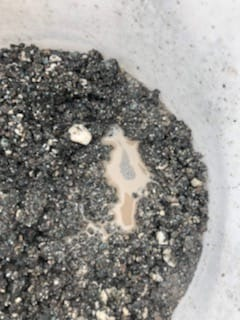
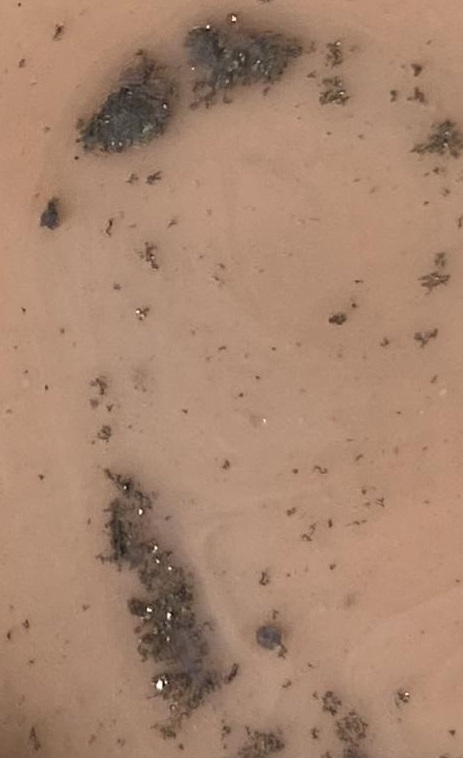
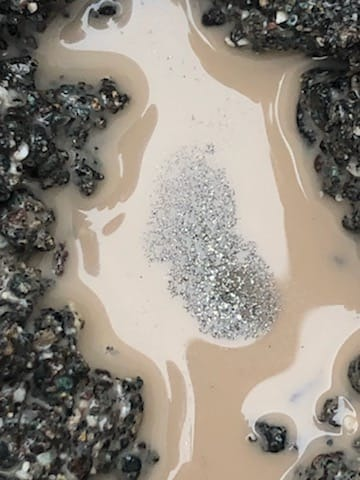
The hole completed went from surface to a depth of 124 meters on an azimuth of 110 degrees. The drill rig cased the hole to 2 meters depth encountering approximately 1.5 meters of overburden at the surface. The mineralization encountered is compatible with the type often favorable for gold on the Thor project consisting of quartz veining adjacent to basalt with apparent abundant pyrite and accessory sulphides. Visible gold and silver may have been identified in the field by the Company’s field geologist. These sections are still being logged and sampled and prepared to be sent to the laboratory. See Figures 1, 2 & 3.
Click Image To View Full Size
Figure 1. Mineralization floating on top of drilling mud
Click Image To View Full Size
Figure 2. Mineralization from quartz veining
Figure 3. Mineralization close up from Fig. 2
St-Georges’ President & CEO, Vilhjalmur Thor Vilhjalmsson, commented: “(…) We are encouraged by the current pace of the exploration work on the Thor Gold Project. The team has worked with the constraints of the COVID-19 quarantine and additional precautions imposed by the new government regulations, and still ended-up delivering within the aggressive target dates we had put forward (…) We are particularly pleased with the field team led by Gary. We have given the team much leeway and trusted their professional expertise. Gary took a bold decision in choosing an underexplored location for the only deeper drill hole we were authorized for to date under our agreement with Melmis. For what we know so far, it was worth the risk (…) we expect to close the transaction with Melmis this month, and we will keep the drilling contractor busy for the foreseeable future on the Thor Gold Project (…)”.
About Thor Gold
The Thormodsdalur Gold Project is located about 20km east of the city center of Reykjavik and south-east of the Lake Hafravatn. The project was discovered in 1908. The property produced a gold concentrate from 1911 to 1925, which shipped to Germany for processing. Over 300 meters of tunnels explored and mined one or more quartz veins and wall rock below open cuts at the surface.
Studies between 1996 and 2013 identified the project mineralization as a low sulfidation system hosted by basic to intermediate flows of Pliocene to Miocene age. The host contains banded chalcedony and ginguro within a fault zone up to 5 meters in width. To date, the identified gold trend has a known strike length of 700 meters determined by drill intercepts. Petrographic analysis of the vein material identified gold occurring in its free form and as part of an assemblage with pyrite and chalcopyrite. Petrographic and XRD studies show an evolution of the vein system from the zeolite assemblage to quartz-adularia and lastly, to minor calcite.
Thirty-two holes have been drilled within the license area, for a total of 2439 meters. Gold values vary from less than 0.5 g/t to a maximum of 415 g/t. (These values were obtained from selected random intervals and cannot be construed to be representative of any particular thickness or overall length.) Historically, the best intercepts from the diamond drilling are 33.5m of 8.0 g/t Au (true thickness) and 5.2m of 35.4 g/t Au (true thickness).
Gary McLearn, A professional geoscientist (Ontario APGO #2900) and an Independent Qualified Person as defined by National Instrument 43-101, has prepared, supervised the preparation or approved the scientific and technical disclosure in the news release.
ON BEHALF OF THE BOARD OF DIRECTORS
“Vilhjalmur Thor Vilhjalmsson”
Vilhjalmur Thor Vilhjalmsson
President and CEO
About St-Georges
St-Georges is developing new technologies to solve some of the most common environmental problems in the mining industry.
The Company controls directly or indirectly, through rights of first refusal, all of the active mineral tenures in Iceland. It also explores for nickel on the Julie Nickel Project & for industrial minerals on Quebec’s North Shore and for lithium and rare metals in Northern Quebec and in the Abitibi region. Headquartered in Montreal, St-Georges’ stock is listed on the CSE under the symbol SX, on the US OTC under the Symbol SXOOF and on the Frankfurt Stock Exchange under the symbol 85G1
The Canadian Securities Exchange (CSE) has not reviewed and does not accept responsibility for the adequacy or the accuracy of the contents of this release.
Posted by AGORACOM
at 9:38 AM on Friday, September 11th, 2020
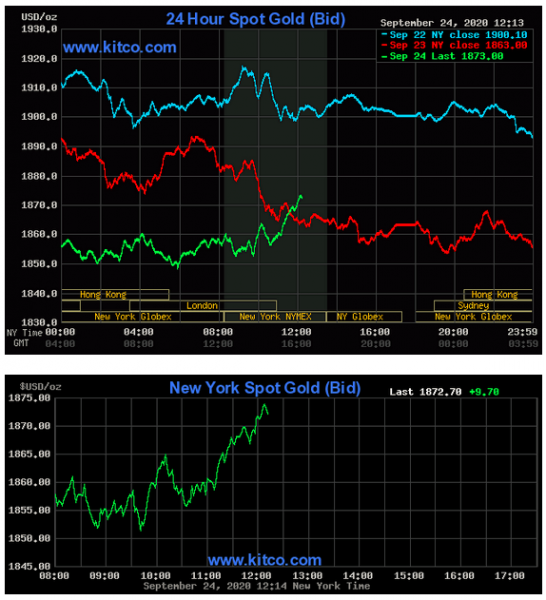
Gold’s bull rally is being challenged by strong U.S. dollar gains but this current pullback “is unlikely to turn into a rout,” according to TD Securities.
“Justice Ginsberg’s passing and its implications for a Phase 4 deal, rising Covid cases, and the upcoming election uncertainty have created vulnerabilities for the yellow-metal longs … [But] the secular bull market is intact, as long-term inflation expectations will likely continue to rise post-election, particularly if a fiscal deal can be agreed upon in the U.S.”
Gold’s late-longs are currently being punished as gold trades “nearly tick-for-tick with the broad dollar index.” TD Securities also points to a rise in ETF gold holdings in recent days, which shows that there is still investment appetite for gold. “The elevated hurdle rate for CTA liquidations further limits the extent of the liquidation for both gold and silver.
The risk for gold bugs is therefore limited to an extension of the global risk-off which catalyzed the dollar’s breakout,” TDS says.
Posted by AGORACOM-JC
at 3:21 PM on Tuesday, September 1st, 2020
Why ThreeD Capital?
Discovering Great Disruptive Companies
ThreeD Capital provides investors with significant exposure to ground floor opportunities in
Small cap stocks in their very early stages;
Disruptive Technologies
that would otherwise be impossible for 99% of investors to participate in. There is quite simply no other investment vehicle like it in the Canadian small cap space.
Best of all, investors get to invest in ThreeD Capital under the leadership of one of the greatest investors in Canadian history – Sheldon Inwentash, the Founder, Chairman and CEO. When Sheldon Inwentash speaks, listeners stand to make a lot of money. His track record speaks for itself.
Posted by AGORACOM
at 9:54 AM on Tuesday, September 1st, 2020
Small cap investors should take notice of the following small cap gold exploration companies after the Ohio Police & Fire Pension Fund (OP&F) approved a 5% allocation into gold in a move to diversify its portfolio and hedge against the risk of inflation. This may not sound like much, but it may be the first of many pension funds to follow as they seek to protect their pension assets. The OP&F fund currently holds about $16 billion in assets under management and believe gold will give the portfolio a strong diversifier to its growth-oriented investments as well as provide an effective hedge against inflation
More and more pensions are going to need to protect themselves against rising inflation and the falling value of currencies and 5% from every fund poses an incredible amount of purchasing power for the gold market to sustain.
Rising gold prices boost demand, as witnessed by Warren Buffett’s Berkshire Hathaway surprising gold investors after buying nearly 21 million shares of Barrick Gold. The first time ever in the funds history.
If the worlds largest funds are finding value in the gold market, small cap investors need to pay attention to the following Agoracom clients poised for success.
(TSXV: AMK)
American Creek owns a 20% Carried Interest to Production at the Treaty Creek Project in the Golden Triangle. 2020’s first hole is the best yet, intersecting 973 Meters Averaging 0.845 gram per ton Equivalent, From Hole GS-20-57, Including 1.40 gpt AuEq Over 217.5 Meters. Eric Sprott believes Treaty Creek may contain over 30 million ounces. Initial resource report expected late 2020 from project operator Tudor Gold.
Affinity controls 2 projects, The West Timmins Gold and The Regal where and Affinity just announced that drilling has begun targeting several major geophysical anomalies as well as three historic small-scale past producing mines. Past results include 11.10 meter interval of 143.29 g/t silver which included a 0.55 meter interval of 2,612.0 g/t silver.
The West Timmins Gold property is located near Timmins, Ontario, Canada and adjoins Melkior’s Carscallen project. The first drill hole has been completed and assays from that first hole are expected to be received by the Corporation within the next two weeks.
Durango is positioned for discovery with a 100% interest in strategically located properties in the Windfall Lake gold camp in the Abitibi region of Quebec, named Trove and Barry. Osisko is currently drilling the Lynx Project close to Durango’s property border. Durango is currently finalizing its drill plan for 2020.
Candente owns a large, economic, copper ore body in Peru waiting to be mined. Cañariaco Norte is a 100% owned feasibility-stage porphyry copper deposit containing 7.5 billion pounds of copper and has had multiple scientific studies propelling it along the way toward production. Strengthened by Goldman Sachs belief it is one of the top 80 copper deposits yet to be exploited and strategically guided by Australian Iron Ore giant Fortescue’s 19% inside ownership, Candente has the lowest quartile production costs slated for development.
Labrador Gold explores for prospective gold projects in Eastern Canada. The Kingsway project is the current focus in Newfoundland, along strike of New Found Gold’s discovery of 92.86 g/t Au over 19.0 metres on their Queensway property. Field crews have started the 2020 exploration program on the Kingsway Property. Labrador also holds the Hopedale and Ashuanipi district scale gold exploration properties.
Loncor Resources (LN: TSX / Q: LONCF /) is an excellent gold explorer that is 100% focused on Africa, where they have already discovered over 3 million ounces of gold …. with plans to find even more.
World renown gold miner Newmont has a market capitalization of $50 Billion and owns 8% of Loncor. Resolute Mining of Australia has a market capitalization of $1.5 Billion and owns 26% of Loncor
Joint Venture on all of Loncor’s remaining land with Barrick Gold, the $53 Billion Company whose mandate is to find a Tier 1 asset. On Loncor ground
SX has a “Eco-Green’ approach to the mining business. It creates eco-friendly mining solutions through technology to grow its business and has developed 4 separate and distinct avenues to create an ideal growth company for the ecological requirements 21st mining will face. Currently focused on exploring for gold in Iceland while developing processing technologies to reduce the environmental impact of mining activities.
Tajiri Resources Corp is exploring for world class gold deposits in Guyana with 2 exploration properties that could each wield major discoveries, the Gargantuan and Epeius projects. Supported by management that have a track record of discovery with almost 20 million ounces, mostly in Guyana